A wide range of competent cells for every application.
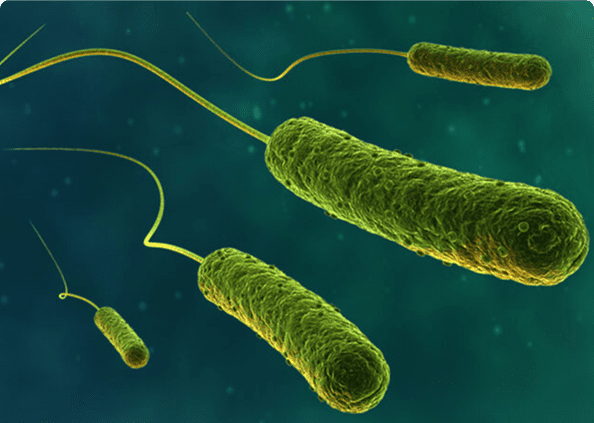
Epicentre-Biosearch Competent E. coli Cells
A range of competent cells that include highly competent cells for general cloning and those requiring high stability for unstable DNA and low copy number cloning applications
Intact Genomics range of competent cells
IG® Chemically Competent E. coli Cells
A broad selection of high-efficiency chemically competent cells for routine and specialized cloning, protein expression, phage display, recombineering, and library construction.
IG® Ultra-High Efficiency Electrocompetent E. coli Cells
Intact Genomics (IG®, ig®) offers the largest collections of high-quality electrocompetent competent cells on the market. They have developed deep expertise in producing ultra-high-efficiency competent cells to enable transformation of very large plasmids (~300 kb) into E. coli.
Intact Genomics Agrobacterium Competent Cells range
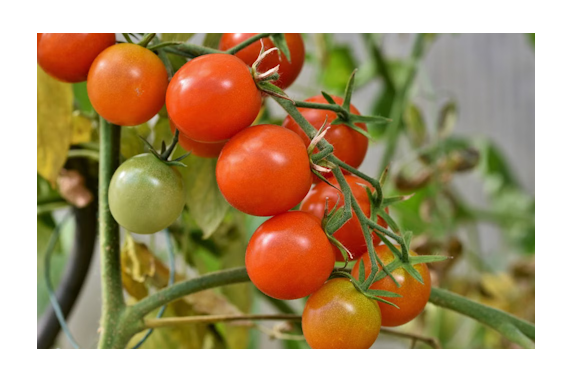
The largest and earliest provider of agrobacterium competent cells on the market. Intact Genomics provide a variety of Agrobacterium competent cells to support the development of plant transformation and agricultural research.
Agrobacterium rhizogenes Competent Cells
Agrobacterium rhizogenes is a soil-borne gram-negative bacterium that can infect most dicotyledons, a few monocotyledons, and some gymnosperms. Agrobacterium Competent Cells are optimized for the highest transformation efficiencies and are useful for transgenic operations of corn, tobacco, carrot, and other plants.
Agrobacterium tumefaciens Competent Cells
Agrobacterium tumefaciens was first isolated from the gall tissue and identified as the cause of crown gall disease (Smith and Townsend, 1907). Over 100 years study of A. tumefaciens has not only revolutionized plant molecular genetics and breeding, but also given birth to a whole new biotech industry dedicated to the genetic transformation of plants and the production of recombinant proteins by plant tissues. In nature, species or strains of agrobacteria infect more than 600 members of most of the plant families
Methionine and Thymidine Auxotrophic Agrobacteria Competent cells
Methionine or thymidine auxotrophic agrobacterium strains include modifications so that they will not grow unless methionine or thymidine is added to minimal medium. Using the selections of minimal media without methionine or thymidine in combination with selective antibiotics, it completely prevents the bacteria from overgrowing plant tissues during plant transformation.